
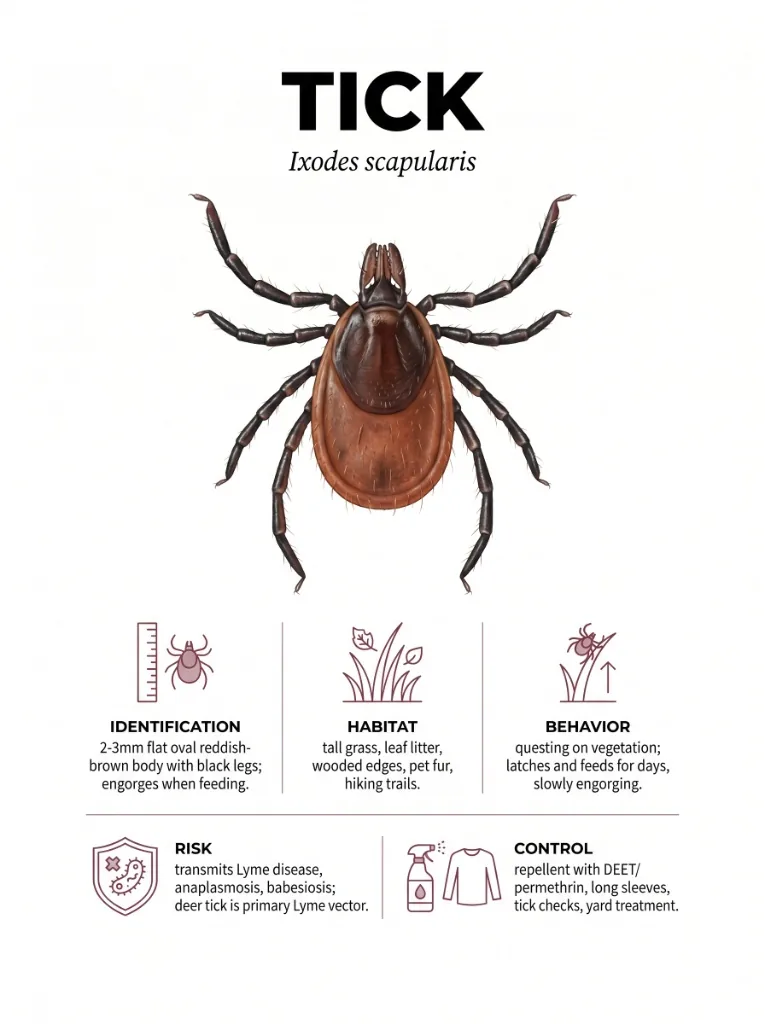
Deer Tick (Ixodes scapularis) identification infographic showing size, habitat, behavior, risk, and control
High concern

Deer Tick — Identification Guide

Ixodes scapularis

Size
2–3 mm
Category
Biting Pests

About the deer tick

The deer tick or blacklegged tick (Ixodes scapularis) is the most medically significant tick in North Carolina and the primary vector of Lyme disease in the eastern US. Adult deer ticks are small — 2-3 mm — with reddish-brown legs and a darker body; the smaller nymphs, only about the size of a poppy seed, are actually the more common cause of Lyme transmission because they are easy to miss on skin during summer months.

NC is home to several tick species — the deer tick, the American dog tick, the lone star tick, and the brown dog tick — each transmitting different diseases (Lyme, Rocky Mountain spotted fever, ehrlichiosis, southern tick-associated rash illness, and the increasingly noted alpha-gal syndrome from lone star tick bites). This page focuses on the deer tick, but Castle's outdoor tick control addresses all local species.

Quick ID

2–3 mm flat oval reddish-brown body with distinctly black legs; engorges to grape-size when feeding.

In the Triangle

The Triangle is solidly in NC's Lyme range; expect ticks anywhere there's tall grass, leaf litter, or deer pressure.

Think you have deer ticks?

Free inspection from a licensed Castle Exterminators technician — Durham, Chapel Hill, Raleigh, Cary & the Triangle. We'll confirm the species and recommend a treatment plan.

Request Free Inspection (919) 606-8686
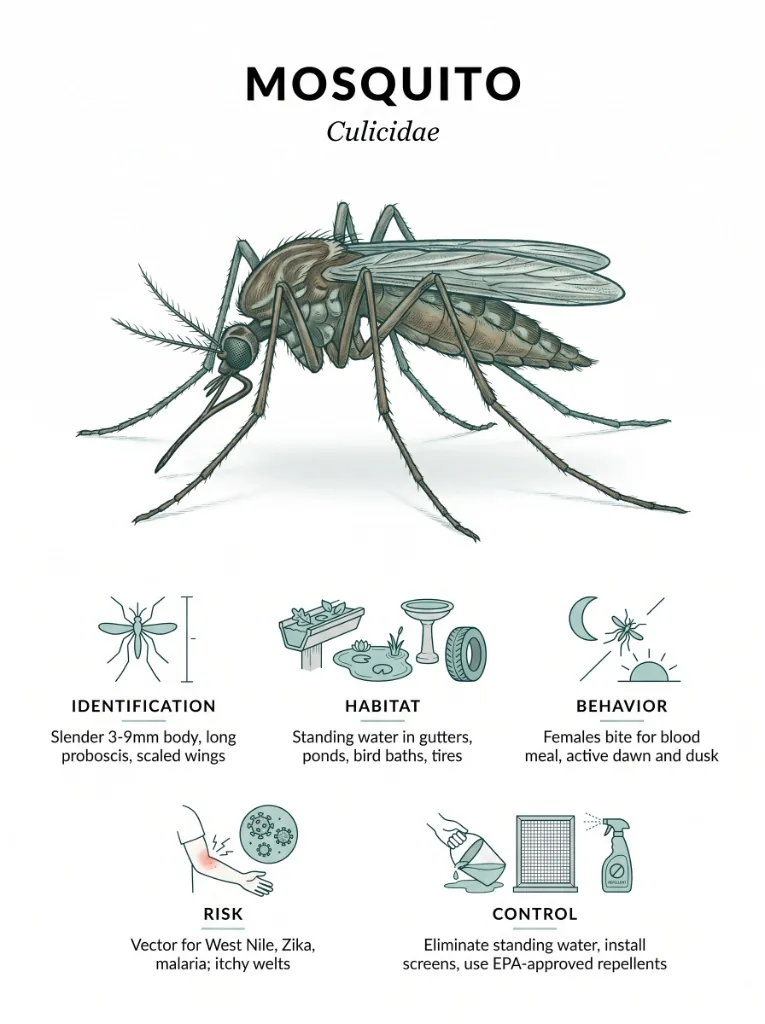
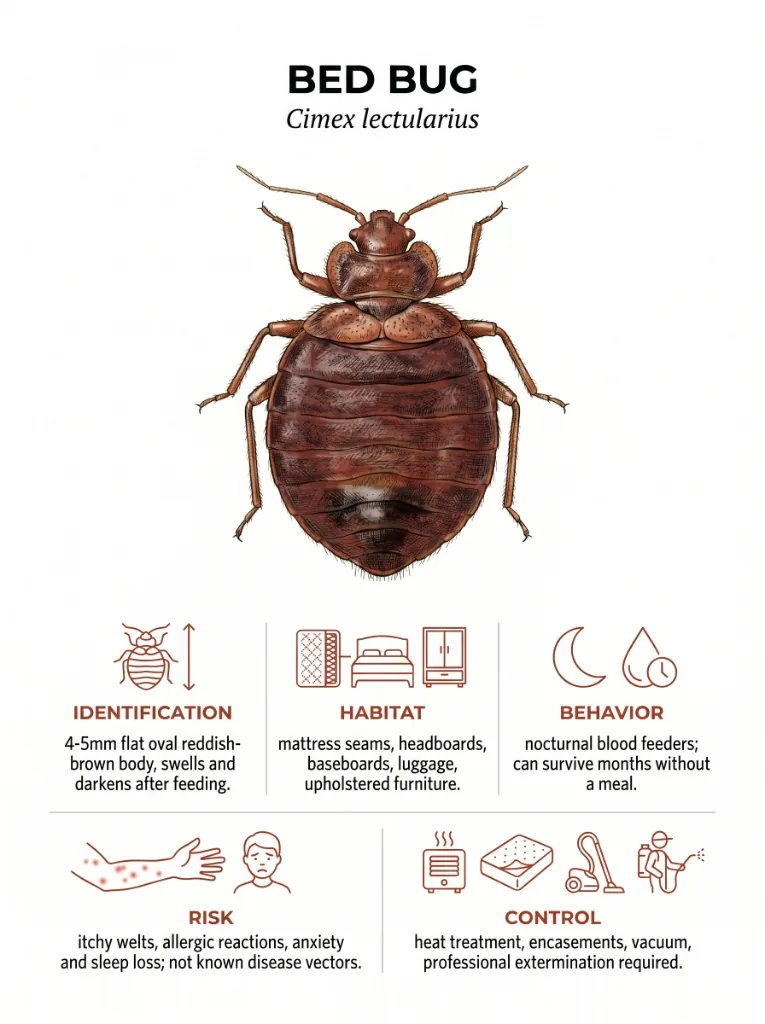
Tick Species You Encounter in the Triangle

  • Deer tick (Ixodes scapularis) — primary vector of Lyme disease and anaplasmosis. Small, reddish-brown legs, dark body. Peak nymph activity in spring/early summer.
  • American dog tick (Dermacentor variabilis) — larger, brown with light patterned markings. Main NC vector of Rocky Mountain spotted fever.
  • Lone star tick (Amblyomma americanum) — reddish-brown with a single white spot on the female's back. Vector of ehrlichiosis, STARI, and — notoriously — alpha-gal syndrome (a red-meat allergy triggered by tick saliva).
  • Brown dog tick (Rhipicephalus sanguineus) — reddish-brown, primarily a dog-associated indoor tick, capable of establishing indoor populations.

Correct identification matters because disease risk varies significantly by species. Save any tick removed from a person or pet in a sealed bag for potential identification and testing.

Diseases Ticks Transmit in NC

North Carolina reports several thousand tick-borne disease cases per year across all species. The most consequential for Triangle residents:

  • Lyme disease — from deer tick bites. Early rash (often but not always a bullseye), fever, fatigue; if untreated, joint, cardiac, and neurological complications.
  • Rocky Mountain spotted fever — from American dog tick bites. Fever, rash, headache; can be severe if not treated early.
  • Ehrlichiosis — from lone star tick bites. Fever, chills, muscle aches, low platelets.
  • Alpha-gal syndrome — a delayed red-meat allergy triggered by lone star tick saliva. Once acquired, can be lifelong.

Prompt tick removal (within 24 hours) dramatically reduces disease transmission risk. Any fever or rash within a few weeks of a tick bite warrants medical evaluation.

Where Ticks Live in the Triangle

Ticks do not fly or jump — they climb up onto low vegetation and wait for a host to brush past (a behavior called questing). In the Triangle, high-risk tick habitat includes:

  • Wooded lot edges and yard-to-forest transitions.
  • Tall grass, ground cover, ivy, and leaf litter along fence lines.
  • Deer trails through neighborhood green space.
  • Around bird feeders (small mammals visiting the feeders bring ticks).
  • Wooded parts of Duke Forest, Umstead, Eno River, and any Triangle property backing onto natural areas.

Deer are the primary reproductive host, and the growing suburban deer population in the Triangle has driven a corresponding increase in tick pressure over the past decade.

Signs of Tick Activity

  • Ticks found on pets after outdoor time — often the earliest warning that yard pressure is high.
  • Ticks attached to family members after yard time, gardening, or walks.
  • Deer regularly visible in the yard — a strong indicator ticks are being deposited.
  • Rodent activity near the perimeter — mice and chipmunks are important intermediate hosts.

If you are pulling multiple ticks off pets or family in a single season, professional outdoor tick control is worth considering.

Our Outdoor Tick Control Approach

Castle's tick program is part of our outdoor mosquito & tick service and focuses on the transition zones where ticks actually live:

  • Yard risk assessment — mapping tick zones: woodline transitions, ground cover, and high-risk perimeters.
  • Barrier treatments applied to woodline edges, ground cover, and known tick-questing zones. This is the workhorse of yard tick control.
  • Seasonal application cycle — ticks are a season-long, multi-species pressure, not a one-time treatment. Programs typically run spring through fall in the Triangle.
  • Landscape modification recommendations — reducing leaf litter, cutting back ground cover from the yard's active zones, creating dry mulch or gravel barriers between woodline and lawn.

Every plan is scoped with a personalized quote based on lot size, wooded exposure, and current pressure.

Personal Protection & Prevention

  • Use EPA-registered repellents (DEET, picaridin, permethrin-treated clothing) when in wooded areas.
  • Tuck pants into socks in tick-heavy areas.
  • Do a tick check after every outdoor session — armpits, groin, scalp, behind ears, waistline. Nymphs are poppy-seed sized.
  • Shower within two hours of coming inside — this dislodges unattached ticks.
  • Toss outdoor clothing directly into the dryer on high heat for ten minutes before washing — kills any ticks on fabric.
  • Keep pets on year-round tick preventatives from your vet.
  • Maintain the yard: mow regularly, remove leaf litter, keep ground cover away from active zones, consider a three-foot mulch or gravel border along woodline.
  • If a tick is attached, remove promptly with fine-tipped tweezers, straight upward, without twisting. Save the tick in a sealed bag.

Frequently asked

Deer Tick questions homeowners ask

How likely am I to get Lyme disease from a tick bite in the Triangle?
NC is not the highest-incidence Lyme state in the country, but deer tick pressure — and confirmed Lyme cases — has been rising steadily. Not every deer tick is infected, and prompt removal within 24 hours dramatically reduces transmission risk. Any fever, rash, or unusual illness within a few weeks of a bite warrants medical evaluation.
What is the correct way to remove an attached tick?
Use fine-tipped tweezers, grasp the tick as close to the skin as possible, and pull straight upward with steady even pressure. Do not twist, do not use petroleum jelly, do not apply heat. Clean the bite site with alcohol. Save the tick in a sealed bag or vial in case identification or testing becomes useful later.
Does outdoor tick spray really work?
Yes — professionally applied barrier treatments in the correct habitat (woodline edges, ground cover, transitional zones) substantially reduce tick populations in the treated areas. This is different from over-the-counter yard sprays, which are usually applied to the wrong parts of the lawn and expire much faster.
Can ticks live indoors?
Most Triangle tick species are strictly outdoor. The exception is the brown dog tick, which can establish indoor populations in homes with dogs. If you are finding multiple ticks indoors and no one has been outdoors, an indoor inspection is warranted.
What is alpha-gal syndrome and how do I avoid it?
Alpha-gal syndrome is a delayed allergic reaction to red meat triggered by lone star tick saliva — once acquired, it can be lifelong. Avoiding lone star tick bites (personal repellents, tick checks, yard tick control) is the only prevention strategy. It's an increasingly noted condition across the Triangle.

Related pests

More in biting pests

Browse all pests